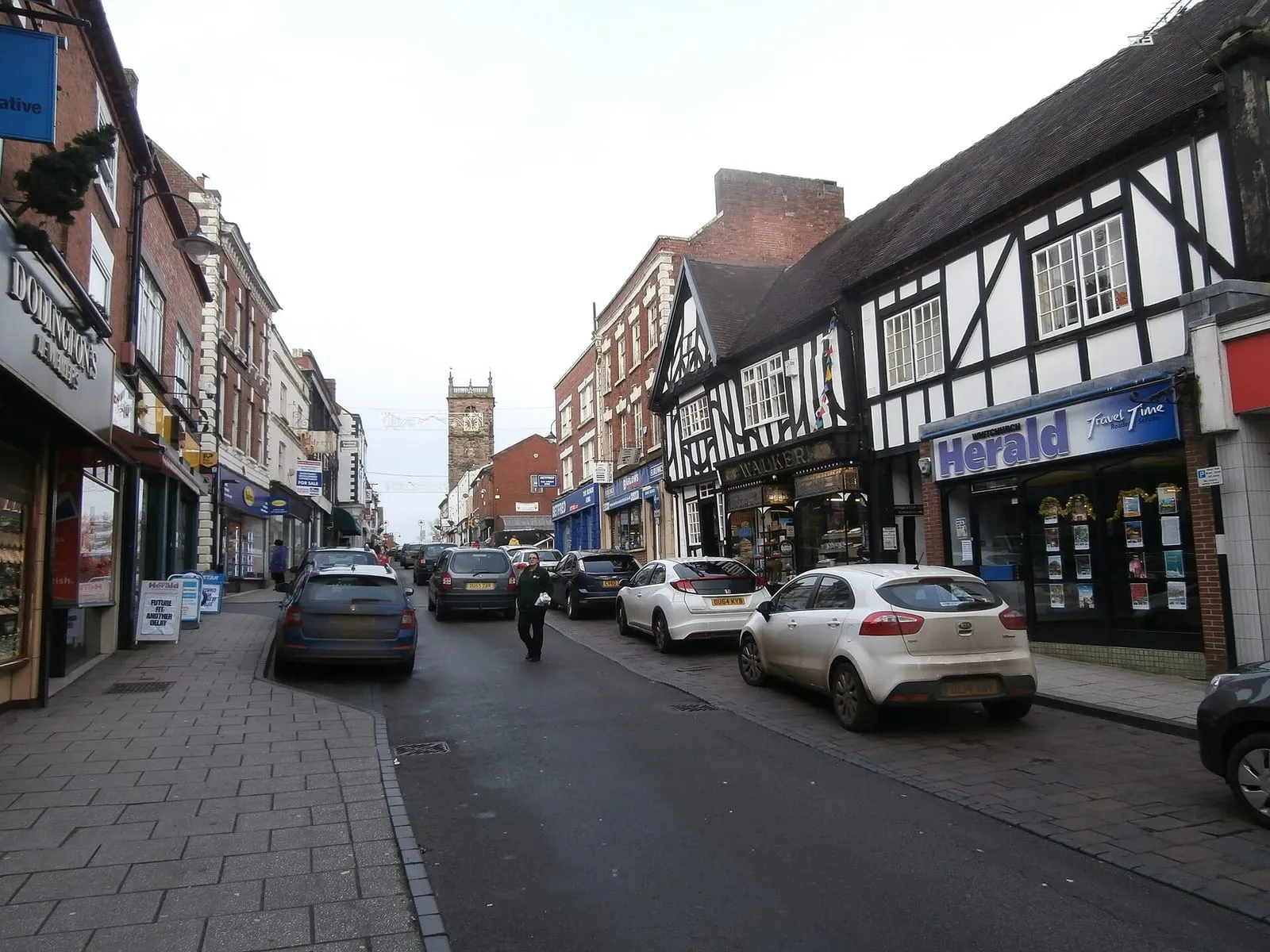
Whitchurch · SY13
Cesspit Emptying in Whitchurch
Cesspit and cesspool emptying by tanker, scheduled around how quickly your tank actually fills rather than a generic interval. Serving Whitchurch and the surrounding villages, including Prees, Tilstock, Whixall, Ash.
A cesspit, sometimes called a cesspool, is a sealed holding tank with no outlet. Nothing is treated and nothing drains away, so everything that goes in must be tankered out. That makes emptying frequency the whole game with a cesspit: get the schedule right and the system is simple and dependable, get it wrong and you have an overflow, which is both unpleasant and a pollution incident.
The mosses explain most cesspits around Whitchurch: on deep peat with the water table at the surface, neither a soakaway nor a treated discharge was ever an option for some plots, and a sealed tank was the only lawful arrangement left. Peat-country cesspits combine fast fill with slow access — a moss-edge track that will not take a loaded tanker in February — so schedules here run to the measured fill rate with the seasons factored in, and a high-level alarm is particularly cheap insurance.
North Shropshire’s dispersed dairy farms and roadside cottages are overwhelmingly off-mains. Around Whitchurch that includes properties on the mosses, where deep peat and high water tables made drainage difficult in every era, and plenty of mid-century tanks that have quietly outlived their design life.
Access and practicalities around Whitchurch
The land is flat but the lanes are narrow, and moss-edge tracks can be soft for much of the year. Heavy vehicle movements have to be planned with that in mind, and hose reach covers the tanks a tanker should not drive to.
Local watercourses around Whitchurch
The district drains slowly through field ditches and brooks towards the Roden and the Weaver, and the meres and mosses are internationally important wetlands with correspondingly little tolerance for pollution. A failing tank near Whixall Moss is an environmental problem, not just a household one.
What the service includes
- Scheduled emptying matched to how quickly your cesspit actually fills
- One-off and urgent empties when the level rises faster than expected
- High-level alarm advice, so you get warning before an overflow rather than after
- Correct disposal, documented every collection
- Honest advice on whether a treatment plant conversion would cut your long-term costs
Around Whitchurch
As well as Whitchurch itself, the surrounding villages and farms are covered, including Prees, Tilstock, Whixall, Ash, Ightfield, Fauls, Edgeley. If you are somewhere smaller or somewhere between, get in touch anyway.
Common questions about cesspit emptying
How often does a cesspit need emptying? What is the difference between a cesspit and a septic tank? These and more are answered on the main service page.
Cesspit Emptying: all questions answered →Other services in Whitchurch
- Septic Tank Emptying in Whitchurch
- Septic Tank Installation & Replacement in Whitchurch
- Sewage Treatment Plant Installation in Whitchurch
- Sewage Treatment Plant Servicing in Whitchurch
- Soakaway Installation & Repair in Whitchurch
- Drain Unblocking in Whitchurch
- CCTV Drain Surveys in Whitchurch
- Drain Repairs & Relining in Whitchurch
- Emergency Drainage in Whitchurch
Cesspit Emptying elsewhere in Shropshire
Need cesspit emptying in Whitchurch?
Describe the problem and we will tell you what you are most likely dealing with, and put you in touch with a local specialist where one covers your area. No charge for that, and no obligation.