SY9
Septic tank and drainage services in Bishop’s Castle
Bishop’s Castle is a small hill town high in south-west Shropshire, close enough to the Welsh border to have been fought over for centuries and independent enough to have kept two breweries and its own theatre. It sits at around 220 metres among the hills between the Long Mynd, the Stiperstones and Clun Forest, with the Shropshire Hills National Landscape all around it.
This is one of the most thoroughly off-mains corners of the county. Outside the town itself almost everything runs on a private system, and the streams that rise around Bishop’s Castle feed a river catchment under particular regulatory pressure, which makes discharge a more consequential question here than in most of Shropshire.
Off-mains drainage in Bishop’s Castle
Beyond the town, private drainage is effectively universal: hill farms, roadside cottages, converted chapels and scattered hamlets all depend on their own tanks and plants. Distances are long and properties isolated, so systems here often go years between professional attention, and a good number of older installations discharge in ways the 2020 General Binding Rules no longer allow.
Ground and soakaways
The hills here are built of Ordovician and Silurian mudstones, siltstones and shales, giving thin, stony soils over rock on the tops and heavy, slow-draining ground in the valley bottoms. Percolation results are frequently marginal at both extremes, and depth to rock constrains drainage field design as often as the percolation rate does.
Watercourses and the rules
The streams rising around Bishop’s Castle form the River Kemp, which joins the Clun downstream. The lower Clun is a Special Area of Conservation protecting one of England’s last lowland populations of freshwater pearl mussel, and it is in unfavourable condition because of phosphate. Sewage discharge is a recognised part of that load, nutrient limits have held up residential planning permission across the catchment, and it makes what a system discharges, and where, a question with real regulatory weight behind it.
Access and practicalities
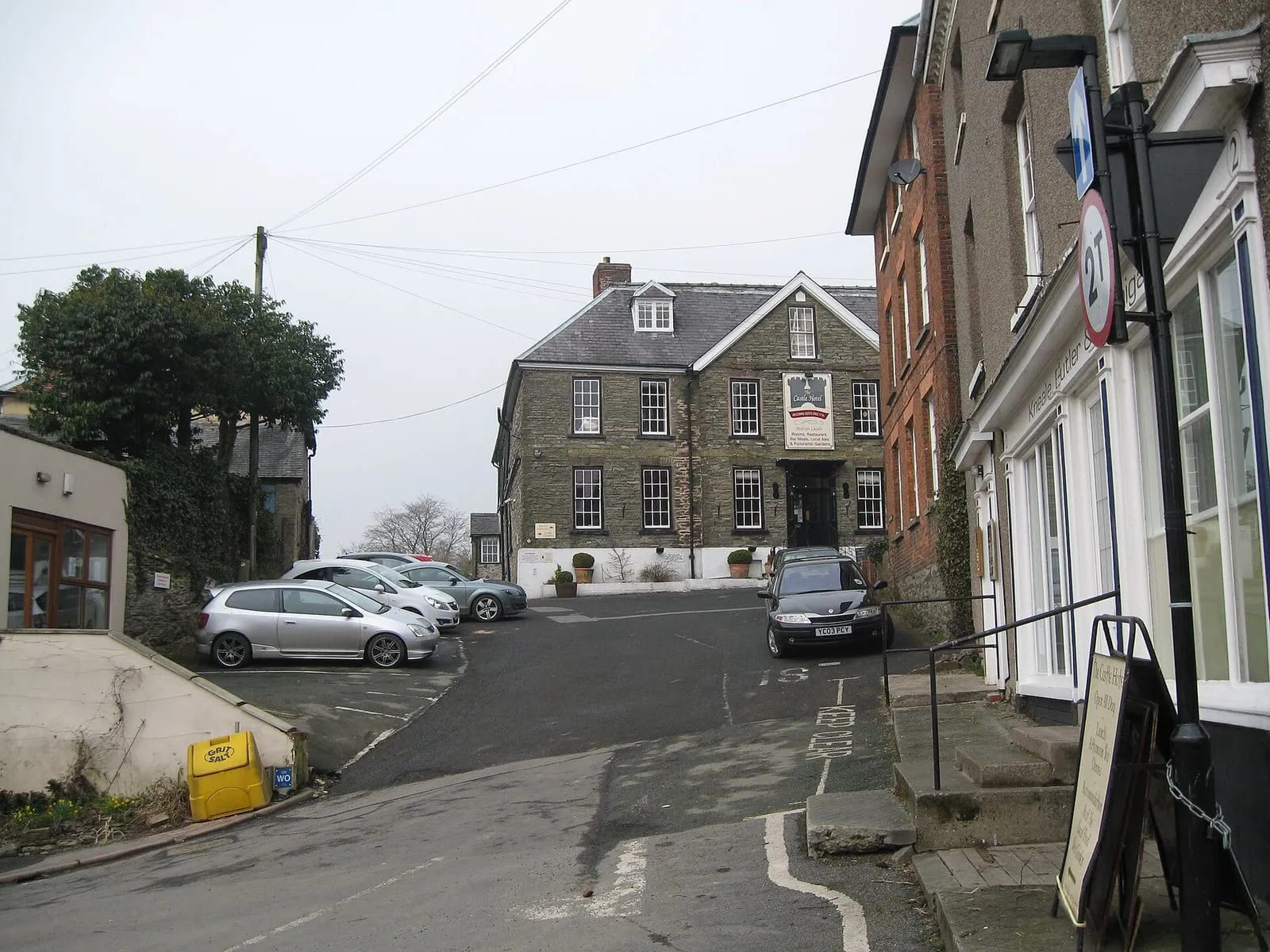
The town’s streets are steep and narrow, and the lanes out to the hill farms are single-track with few passing places and fewer turning points. Winter conditions at this altitude close some of them outright. Tanker access is a genuine planning question on many properties here, and long hose runs are routine.
Buying or selling in Bishop’s Castle?
The area draws people out of the cities for the landscape and the town’s independent streak, and the stock is largely period: stone cottages, farmhouses and smallholdings. Drainage compliance is scrutinised hard in rural sales here, and in the Clun catchment a buyer’s solicitor is increasingly likely to ask about phosphate as well as about the tank.
Villages covered around Bishop’s Castle
Including Lydham, Colebatch, Brockton, Mainstone, Norbury, Wentnor, More, Edgton, Snead, Bishop’s Moat and the farms and hamlets between them.
Services covered in Bishop’s Castle
Septic Tank Emptying
Septic Tank Emptying in Bishop’s Castle→Septic Tank Installation & Replacement
Septic Tank Installation & Replacement in Bishop’s Castle→Sewage Treatment Plant Installation
Sewage Treatment Plant Installation in Bishop’s Castle→Sewage Treatment Plant Servicing
Sewage Treatment Plant Servicing in Bishop’s Castle→Cesspit Emptying
Cesspit Emptying in Bishop’s Castle→Soakaway Installation & Repair
Soakaway Installation & Repair in Bishop’s Castle→Drain Unblocking
Drain Unblocking in Bishop’s Castle→CCTV Drain Surveys
CCTV Drain Surveys in Bishop’s Castle→Drain Repairs & Relining
Drain Repairs & Relining in Bishop’s Castle→Emergency Drainage
Emergency Drainage in Bishop’s Castle→Nearby areas
Need help in Bishop’s Castle?
Describe the problem and we will tell you what you are most likely dealing with, and put you in touch with a local specialist where one covers your area. No charge for that, and no obligation.