Across all of Shropshire
Septic Tank Emptying in Shropshire
Scheduled and one-off septic tank emptying by tanker, with the paperwork you need for your records and for the General Binding Rules.
If your property is not on mains drainage, your septic tank quietly does an essential job every day. It separates solids from the liquid that drains away, and those solids build up. Left too long, sludge carries over into the soakaway and shortens its life, which is the expensive part of the system to replace.
Most household septic tanks in Shropshire need emptying about once a year, though the right interval depends on tank size and how many people live in the property. Emptying is done on a planned schedule or as a one-off, and a good contractor will look at the tank condition while the lid is off and tell you honestly what they find.
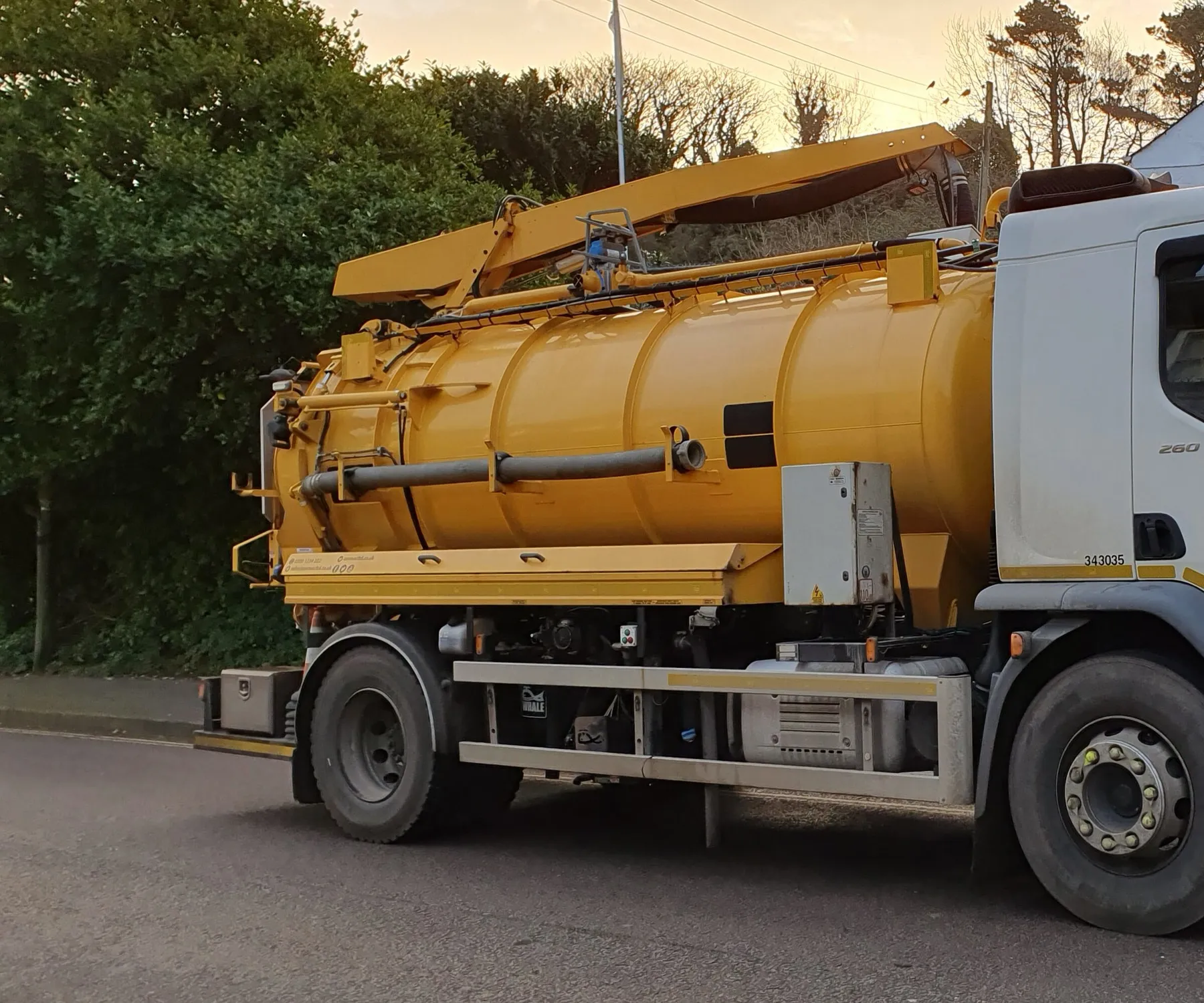
Septic waste has to be taken away by a registered carrier and disposed of at an authorised site, and you should always be handed a waste transfer note as proof. Keep it. That paperwork is what counts if you ever sell the property, or need to show the Environment Agency the system has been maintained.
What the service includes
- One-off and scheduled emptying for septic tanks of all sizes
- Full de-sludge rather than a partial pump-out, so you get the longest interval between visits
- Visual condition check of the tank, baffles and dip pipes while the tank is open
- Correct disposal, with the paperwork that proves it
- Reminders when your next empty is due, if you want them
How often should a septic tank be emptied?
For most households, once a year is the sensible default. A large tank serving a small household can sometimes stretch further, and a small tank serving a busy house may need visits more often. Emptying on schedule is far cheaper than replacing a soakaway that has been clogged by carried-over sludge.
Disposal is regulated
Septic waste must be transported by a licensed waste carrier and disposed of at an authorised facility. Always ask whoever empties your tank for a waste transfer note. If they cannot provide one, the waste may not be going where it should.
Why emptying matters
Sludge builds up in the bottom of the tank. Leave it too long and it carries over into the drainage field, which is the expensive part to put right.
Septic Tank Emptying near you
Enquiries for septic tank emptying are covered throughout Shropshire. Find the detail for your area:
Frequently asked questions
How do I know my septic tank needs emptying?
Warning signs include slow-draining sinks and toilets, gurgling pipework, odours around the tank or soakaway, and lush wet patches of grass over the drainage field. If it has been more than a year since the last empty, it is usually due regardless of symptoms.
How long does emptying take?
A routine empty of a household tank normally takes under an hour on site, provided the tanker can get within hose reach of the tank. Longer hose runs or larger tanks take a little longer.
Do I need to be home?
Not usually. As long as the tanker can reach the lid and access has been agreed in advance, a tank can normally be emptied and the paperwork left without you needing to wait in.
Need septic tank emptying?
Describe the problem and we will tell you what you are most likely dealing with, and put you in touch with a local specialist where one covers your area. No charge for that, and no obligation.