Ellesmere · SY12
Emergency Drainage in Ellesmere
What to do first when a tank overflows, sewage backs up or a drain floods, and how to reach a local specialist once the immediate risk is contained. Serving Ellesmere and the surrounding villages, including Cockshutt, Welshampton, Dudleston Heath, Tetchill.
Some drainage problems can wait for a convenient appointment. Sewage backing up into a bathroom cannot. Neither can an overflowing septic tank or cesspit, a collapsed drain flooding a yard, or a treatment plant in alarm at a holiday let.
A drainage emergency around Ellesmere is measured by the water it threatens: the meres are sensitive, slow-flushing and internationally important, the canal is busy all summer, and ditches connect everything between. Effluent reaching any of them is a hotline call to the Environment Agency first, and around here that call carries real weight — a mere holds what reaches it for a long time. Contain what you can meanwhile: no more water into the system, everyone kept clear, covers closed and secure.
The farms and village properties around Ellesmere are predominantly on private drainage, from long-serving septic tanks to newer treatment plants on converted farm buildings. Mere-side and canal-side properties add cases where space and water table leave little room for conventional answers.
Access and practicalities around Ellesmere
The district is flat and workable, though lanes are narrow and mere-side and canal-side access can be tight. Nothing here defeats a well-planned visit, provided the planning is done before the tanker sets off.
Local watercourses around Ellesmere
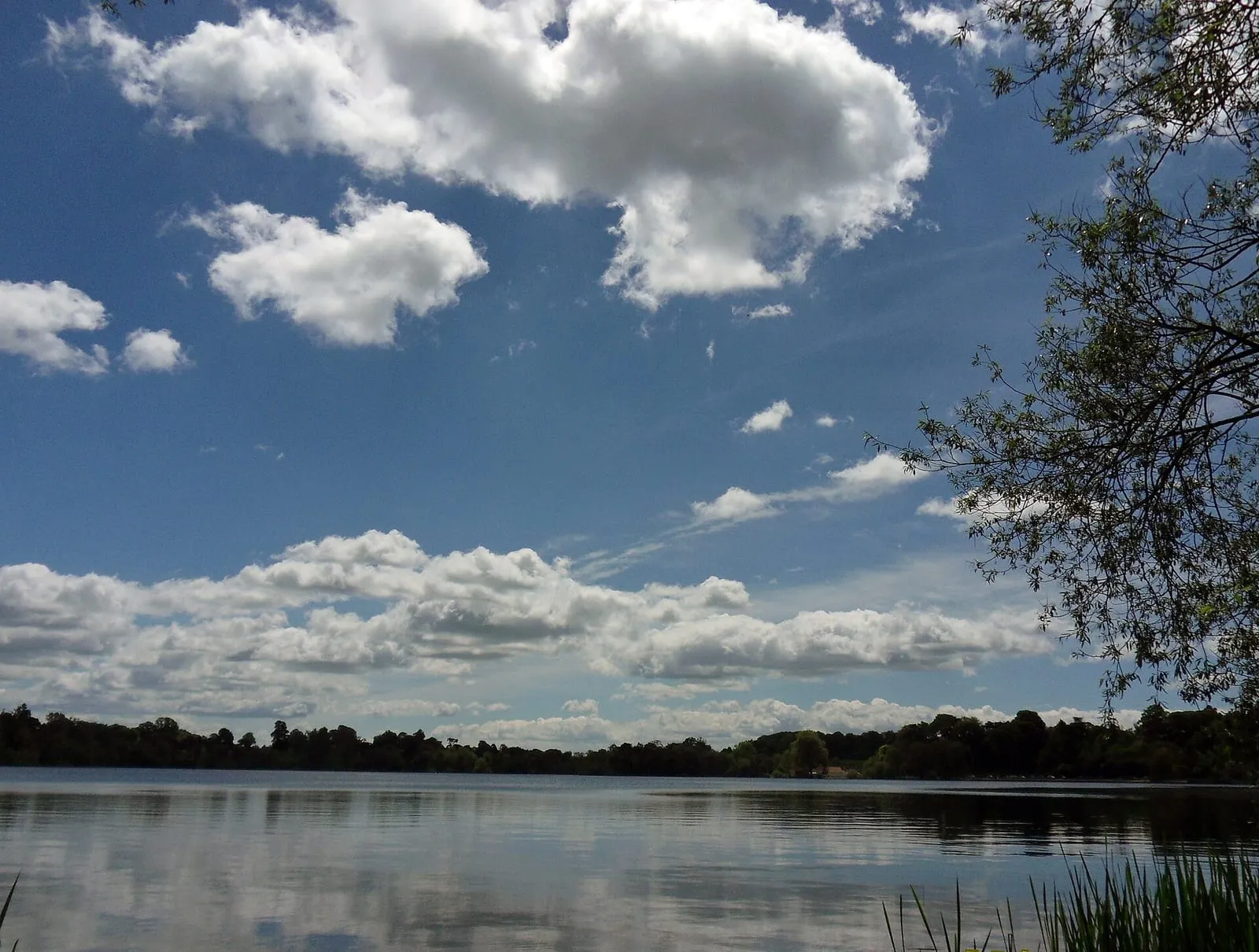
Water defines Ellesmere: the meres are sensitive, slow-flushing lakes, the canal carries boaters all summer, and ditches connect everything. A failing septic system in this landscape finds water quickly, and the environmental stakes of getting drainage right are higher here than almost anywhere in the county.
What to do right now
- Stop using water in the property. No toilets, showers, dishwasher or washing machine, because every litre that goes in has to come out somewhere
- Keep people and animals well away from standing sewage, and wash hands and any skin that has touched it thoroughly
- Never enter a septic tank, cesspit or treatment plant, and never lean in. These are confined spaces holding hydrogen sulphide and methane, and the air in them can kill in seconds
- Keep tank covers closed and secure, and keep children and pets away from any cover that has been lifted or damaged
- If sewage is reaching a ditch, stream, brook or river, report it to the Environment Agency incident hotline on 0800 80 70 60, which is staffed around the clock
- If effluent has entered the house, shut off the affected rooms and keep it away from anywhere food is prepared or stored
- Photograph the affected area before any clean-up, for your insurer and for whoever attends
- Note when it started and what changed just before, because that is the first thing any contractor will ask
Around Ellesmere
As well as Ellesmere itself, the surrounding villages and farms are covered, including Cockshutt, Welshampton, Dudleston Heath, Tetchill, Lyneal, Colemere, Criftins. If you are somewhere smaller or somewhere between, get in touch anyway.
Common questions about emergency drainage
Sewage has escaped near a stream. Who do I need to tell? Is it safe to lift the tank lid and look inside? These and more are answered on the main service page.
Emergency Drainage: all questions answered →Other services in Ellesmere
- Septic Tank Emptying in Ellesmere
- Septic Tank Installation & Replacement in Ellesmere
- Sewage Treatment Plant Installation in Ellesmere
- Sewage Treatment Plant Servicing in Ellesmere
- Cesspit Emptying in Ellesmere
- Soakaway Installation & Repair in Ellesmere
- Drain Unblocking in Ellesmere
- CCTV Drain Surveys in Ellesmere
- Drain Repairs & Relining in Ellesmere
Emergency Drainage elsewhere in Shropshire
Need emergency drainage in Ellesmere?
Describe the problem and we will tell you what you are most likely dealing with, and put you in touch with a local specialist where one covers your area. No charge for that, and no obligation.